Car Specs by VIN: What a Decode Shows and What It Misses
Car specs by VIN: what a free decode returns (engine size, body, drive, GVWR, plant, trim), NHTSA vPIC examples, and where to find options, paint and tires.

Co-Founder & CEO
Gaurav brings strategic leadership and business development expertise, with a focus on growth and partnerships. He shapes vindecode.pro around the questions buyers and owners actually ask about VINs, RC checks and manufacturing dates, and drives the goal of making it the most trusted free VIN decoder for India and the US.
You can get a car's core specs by VIN for free: a decode returns the make, model, model year, body style, engine size and cylinders, fuel type, drive type, weight class and assembly plant, and often the trim and transmission. What a VIN decode usually cannot tell you is the option list, paint color, tire size or axle ratio, because they are not required VIN attributes.
That split matters when you are shopping. The VIN tells you what the car fundamentally is. The window sticker and the labels on the car tell you how it was equipped.
To show exactly what comes back, we queried NHTSA's vPIC database in October 2026 with VIN patterns for three popular vehicles. vPIC is filled from the data manufacturers submit to NHTSA, and it is the same source our free VIN decoder uses.
What specs a VIN decode returns
A VIN is not a random serial. Federal rules in 49 CFR Part 565 tell manufacturers what positions 4–8 (the vehicle descriptor section) must describe, and the list differs by vehicle type:
| Vehicle type | Attributes positions 4–8 must encode |
|---|---|
| Passenger car | Make, line, series, body type, engine type, restraint devices and their location |
| SUV or minivan (multipurpose passenger vehicle) | Make, line, series, body type, engine type, GVWR, and restraints if GVWR is 10,000 lb or less |
| Truck | Make, model or line, series, chassis, cab type, engine type, brake system, GVWR, and restraints if 10,000 lb or less |
On top of that, position 10 is the model year (see our VIN year chart) and position 11 is the assembly plant. The manufacturer decides how positions 4–8 encode the required attributes, then files that key with NHTSA. A decoder reads that key.
In practice, vPIC often returns more than the legal minimum, because many manufacturers also file transmission, horsepower, curb weight ranges and safety equipment. For the full position-by-position breakdown, see how to read a VIN.
Real examples: Camry, CR-V and Ram 1500
We built three VIN patterns from real manufacturer prefixes, set the serial number to 100001, recalculated the check digit, and decoded them in vPIC. Every one came back "VIN decoded clean."
| Spec | 2022 Toyota Camry | 2022 Honda CR-V | 2022 Ram 1500 |
|---|---|---|---|
| VIN pattern | 4T1G11AK0NU100001 | 7FARW2H59NE100001 | 1C6SRFFT1NN100001 |
| Body class | Sedan | SUV / multipurpose vehicle | Pickup, crew cab, short bed |
| Engine | 2.5L in-line 4 (A25A-FKS) | 1.5L in-line 4, turbo (L15BE) | 5.7L V8 |
| Horsepower | 202–203 hp | 190 hp | 395 hp |
| Fuel | Gasoline | Gasoline | Gasoline |
| Transmission | 8-speed automatic | CVT | Not returned |
| Drive type | 4x2 | 4WD/4x4 | 4WD/4x4 |
| GVWR class | Class 1C: 4,001–5,000 lb | Class 1C: 4,001–5,000 lb | Class 2F: 7,001–8,000 lb |
| Plant | Georgetown, Kentucky | Greensburg, Indiana | Sterling Heights, Michigan |
| Trim | SE | EX | Big Horn, Lone Star |
| Seats / doors | 5 seats, 4 doors | 5 seats, 5 doors | Not returned |
Each decode also listed safety equipment, such as airbag locations, ABS, stability control and automatic emergency braking, and a curb weight figure with a note giving the range for the model.
Two details are worth noticing. First, not every manufacturer files the same fields, so the Ram decode had no transmission or seat count while the Toyota had both. Second, some features came back as "Optional" rather than "Standard". On the Camry pattern, blind spot monitoring and rear cross-traffic alert were listed as optional, which means the VIN alone cannot tell you whether that particular car has them.
Engine size and trim by VIN
Engine size is the most reliable spec you can pull from a VIN. Engine type is a required attribute for cars, SUVs and trucks, so every decode above returned displacement and cylinder count. Some brands give one VIN character to the engine. Ford uses the 8th character, as our Ford engine code by VIN chart shows, while Toyota's engine coding varies by model (see our Toyota VIN decoder), and other makers spread engine information across several positions, so let a decoder read it rather than guessing from one letter.
The VIN records the engine the vehicle was built with. If the engine has been swapped, the VIN will not show it.
Trim by VIN is less certain. Part 565 requires the "series," which Part 565 defines as a subdivision of a line by price, size or weight for marketing, but a single VIN pattern may cover more than one marketed trim. That is what happened with the Ram: vPIC returned "Big Horn, Lone Star" because both trims share the same VIN coding. When the decode gives a range, the window sticker settles it.
Specs that are not in the VIN
The VIN describes the vehicle type. It was never meant to describe how an individual car was optioned. These are not required VIN attributes, so you usually need labels or the original paperwork:
| Spec | Why it is missing | Where to find it |
|---|---|---|
| Factory options and packages | Not a required VIN attribute | Window sticker or build sheet |
| Exterior paint color | Not a required VIN attribute | Paint code label on the car |
| Interior color and trim material | Not a required VIN attribute | Window sticker |
| Tire size | Not a required VIN attribute | Tire placard, usually on the driver's B-pillar |
| Axle ratio | Not a required VIN attribute | Window sticker or build sheet |
| Original price | Not a required VIN attribute | Window sticker |
| Mileage and history | Not part of the VIN at all | Title history and inspection |
Our guide on getting a window sticker by VIN covers the free Ford lookup and GM's option code label. For the color, see how to find a paint code by VIN.
Where to get the rest of the specs
The window sticker
When you can find it, the original window sticker lists the MSRP, standard and optional equipment and the EPA fuel economy figures. It is the best single source for the specs a VIN leaves out.
The labels on the driver's door pillar
Two federally required labels sit on or near the driver's door opening of a car or light truck:
- The certification label under 49 CFR Part 567 shows the manufacturer, month and year of manufacture, GVWR, gross axle weight rating for each axle and the VIN.
- The tire and loading placard under FMVSS 110 must be on the driver's side B-pillar (or another listed spot if the pillar does not work). It shows the original tire size, recommended cold tire pressures, seating capacity and the combined occupant and cargo weight limit.
Our pillar guide on where the VIN number is has photos of the door-jamb label and the other VIN locations.
FuelEconomy.gov
Once you know the year, make, model, engine and transmission from the decode, look up the official city, highway and combined fuel economy on FuelEconomy.gov, which the U.S. Department of Energy and EPA run. You search by year, make and model, so the decoded engine and transmission help you pick the right version.
Using specs to check a used car
Decoded specs are a quick honesty check on a listing. Before you go to see a car:
- Decode the VIN from the listing with our free VIN decoder. If the check digit fails, the seller may have mistyped it.
- Compare the engine, drive type and body with the ad. A listing that says "V8, 4x4" for a VIN that decodes as a V6 4x2 needs an explanation.
- Check the trim claim. If the decode returns one trim and the seller claims a higher one, ask for the window sticker.
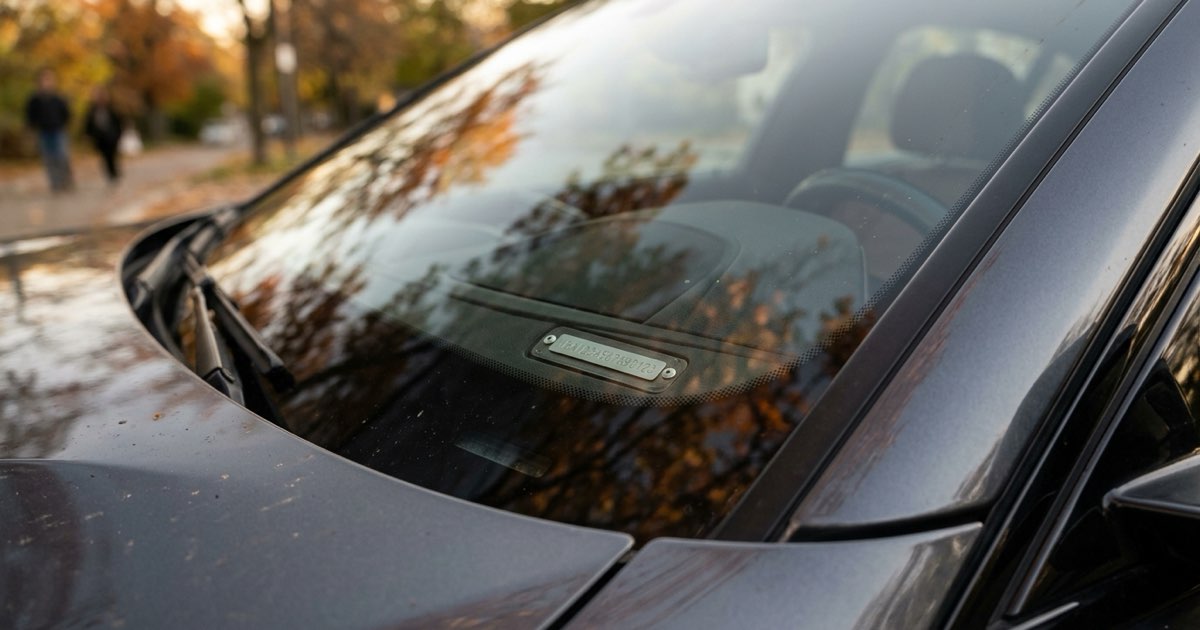
- Match the VIN on the car. At the viewing, read the VIN from the windshield and the door label and make sure both match the paperwork.
- Check recalls and history. Run the VIN through the NHTSA recall lookup, a free NICB VIN check for theft and salvage records, and an NMVTIS title report for title brands and odometer records.
Specs from the VIN describe the car as it left the factory. A replaced engine, a lift kit or aftermarket wheels will not show up, so look at the car itself, and get an independent inspection on anything you are serious about.
For brand-specific details, see our Ford VIN decoder, Chevy VIN decoder, Subaru VIN decoder and Tesla VIN decoder.
Frequently asked questions
Can I get car specs by VIN for free?
Yes. A free decoder that uses NHTSA's vPIC database, such as ours, returns the make, model, model year, body class, engine displacement and cylinders, fuel type, drive type, GVWR class and assembly plant, and often a trim and transmission, from the 17-character VIN.
Does the VIN tell you the engine size?
Yes. Federal rules require the engine type to be encoded in positions 4–8 of the VIN for cars, SUVs and trucks, so a decode can identify the factory engine, often as displacement and cylinder count. It cannot tell you if the engine was later replaced.
Can you find the trim level by VIN?
Often, but not always. Series is a required VIN attribute, and vPIC returned a single trim for our Camry (SE) and CR-V (EX) patterns, but a range ('Big Horn, Lone Star') for a Ram 1500 pattern. The original window sticker can help confirm the trim.
Does the VIN show options, color or tire size?
Not reliably. Factory options, packages, paint color, tire size and axle ratio are not required VIN attributes. Use the window sticker for options, the paint code label for color and the tire placard, usually on the driver's door pillar, for tire size.
Sources & official references
- NHTSA vPIC APIvpic.nhtsa.dot.gov
Source of every decoded spec in this guide; populated from manufacturers' Part 565 submittals; queried October 2026
- 49 CFR Part 565: Vehicle Identification Number requirementsecfr.gov
Lists the attributes each vehicle type must encode in positions 4–8
- 49 CFR 571.110 (FMVSS 110): Tire selection and rimsecfr.gov
Requires the tire and loading placard, normally on the driver's side B-pillar
- 49 CFR Part 567: Certificationecfr.gov
Certification label with GVWR, GAWR, build date and VIN
- FuelEconomy.gov: Find and compare carsfueleconomy.gov
Official DOE and EPA fuel economy data by year, make and model
- NHTSA recall lookupnhtsa.gov
Check open recalls on a specific VIN