Florida VIN Check & Verification: Form HSMV 82042 Guide
Florida VIN check: who can sign form HSMV 82042, which vehicles need VIN verification, what to bring, and the free FLHSMV MVCheck title lookup for used buyers.

Co-Founder & CTO
Saurabh is a technology specialist with deep expertise in AI, full-stack development and scalable platform architecture. He built vindecode.pro from the ground up, including the decoder itself: VIN and chassis number rules, maker-specific conventions and the NHTSA vPIC integration. He leads product development and technical strategy, and writes our guides on how VINs work.
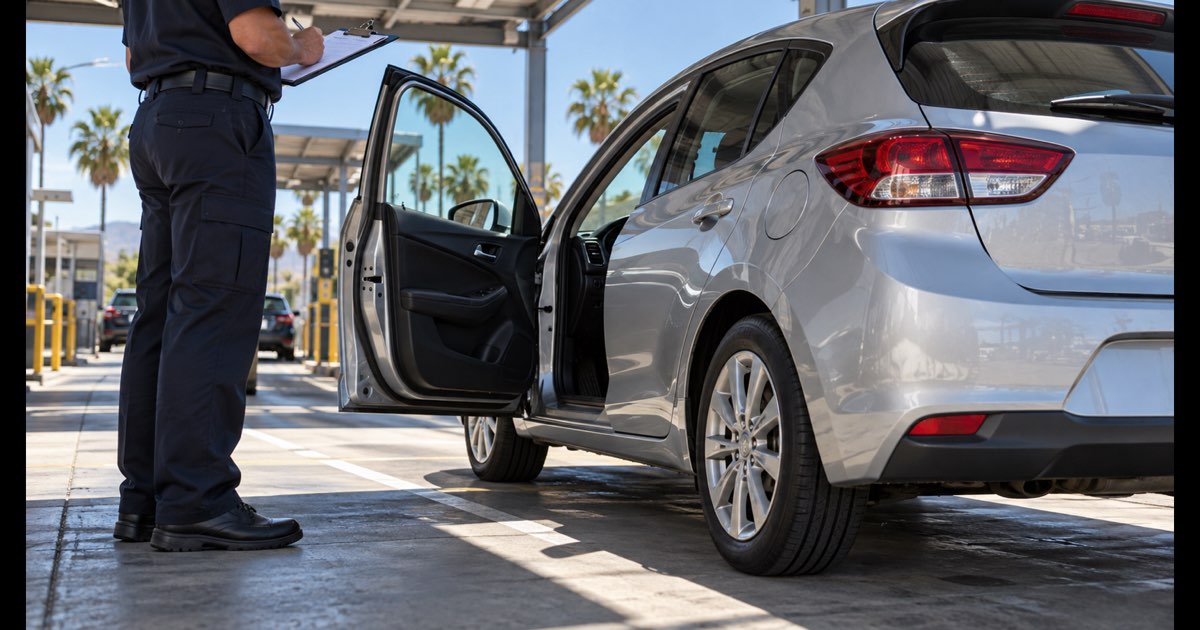
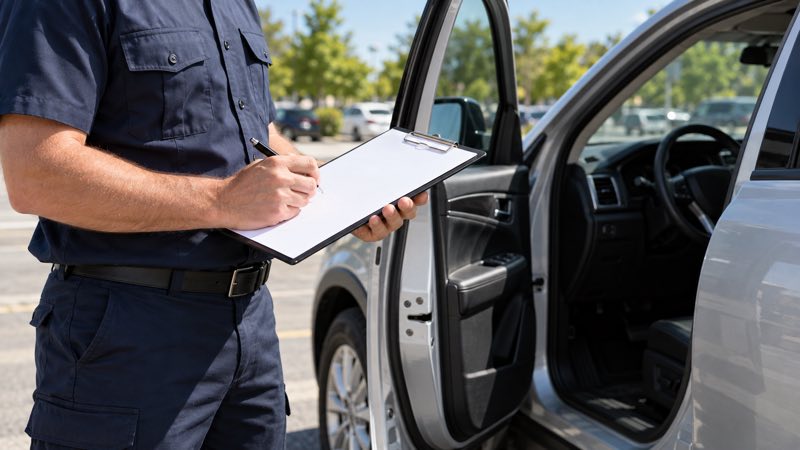
A Florida VIN check usually means the VIN verification on form HSMV 82042, which Florida requires before it titles a used vehicle that is not currently titled in the state. A Florida notary, Florida licensed dealer, law enforcement or military police officer, or Florida compliance examiner reads the VIN from the vehicle and signs Part B.
If you are buying a used car in Florida, it can also mean a free check of the car's Florida title and registration before you pay, using FLHSMV's MVCheck tool.
This guide covers both, starting with the form. All the form details come from the current official version of HSMV 82042 (REV. 01/15/21).
What Florida VIN verification is
Form HSMV 82042 is titled "Vehicle Identification Number and Odometer Verification." It does two jobs:
- Part A is completed by the owner. It identifies the vehicle and includes the odometer declaration.
- Part B is the physical inspection. An approved verifier looks at the vehicle, reads the VIN from it and certifies that it matches.
The form documents that someone physically inspected the vehicle and compared its VIN with the paperwork. A VIN copied from paperwork proves nothing about the car in front of you.
Who needs form HSMV 82042
| Vehicle | Verification needed? |
|---|---|
| Used car, truck or motorcycle not currently titled in Florida | Yes |
| Trailer of 2,000 lb or more net weight not currently titled in Florida | Yes |
| New vehicle | No |
| Mobile home | No |
| Trailer under 2,000 lb | No |
| Travel or camp trailer | No |
| Vehicle already titled in Florida | No, for a normal Florida-to-Florida transfer |
Common cases include someone who moves to Florida with a car titled in another state, or a Florida resident who buys a used car from out of state. Other states handle this differently; our Texas VIN inspection guide covers the Texas rules, and the DMV VIN lookup guide shows which states offer a free title check.
Who can verify a VIN in Florida
According to the form, Part B can be completed by:
- A Florida notary public
- A Florida licensed dealer
- A law enforcement officer
- A military police officer (added in the 2021 revision)
- A Florida compliance examiner or inspector, meaning a Division of Motorist Services or tax collector employee
Out-of-state dealers can verify, but the form instructions say they must do so on their business letterhead. Whoever signs, including a notary, must actually see the vehicle.
How to complete the verification, step by step
- Download the form from flhsmv.gov. Always use the current revision.
- Find the VIN on the vehicle. On cars and light trucks, it is on the lower driver-side windshield and the driver door-jamb label. On motorcycles and trailers the location varies by manufacturer. Our guide to where the VIN number is has photos and details.
- Check that the vehicle VIN matches the title. The complete VIN, not just the last six characters. Vehicles built before 1955 need the motor number verified instead.
- Decode it. Our free VIN decoder confirms the year, make and model, so the details you write on the form match the vehicle. On a 17-character VIN, a failed check digit can mean a misread character.
- Complete Part A with the owner's details and the odometer reading.
- Have the verifier inspect the vehicle and complete Part B. They read the VIN directly from the vehicle.
- Take the form to your county tax collector's office (they handle titles for FLHSMV in most counties) with the out-of-state title, identification and, if you are registering the vehicle, proof of Florida insurance. Your county may have additional requirements, so check its website first.
Vehicles built before 1955 are verified using the motor number, as the form explains.
Common problems and how to avoid them
- The VIN on the vehicle does not match the title. Stop. It may be a typo on the title, which the issuing state can correct, or a sign of a cloned vehicle. Do not let anyone "verify" a VIN they did not read from the vehicle.
- The VIN plate or stamp is damaged or missing. Do not try to fix it yourself. Ask your tax collector's office or local law enforcement how to proceed.
- The verifier fills in the VIN from the title. That defeats the purpose of the form. The verifier must read it from the vehicle.
- Odometer errors. The odometer declaration is part of a federal and state odometer disclosure system. Write the reading exactly as shown, without tenths.
- Old form versions. Use the version currently posted by FLHSMV.
Free Florida VIN checks before you buy
If you are buying a used vehicle in Florida, run these checks before money changes hands:
| Check | What it tells you | Cost |
|---|---|---|
| FLHSMV MVCheck | Florida title and registration information by VIN or title number | Free |
| NICB VINCheck | Unrecovered theft and insurance salvage records | Free, 5 searches a day |
| NHTSA recall lookup | Unrepaired safety recalls on that VIN | Free |
| Our VIN decoder | Year, make, model, engine, plant and NHTSA recalls for the model | Free |
| NMVTIS report | Title brands, odometer history and total-loss records from all states | Small fee from approved providers |
Flood damage can show up as a title brand. A car that was flooded in one state can be retitled in another, so an NMVTIS report from an approved provider is worth the small fee on any Florida purchase. Look for water lines, silt under the carpets and corrosion under the dash as well.
For brand-specific details once you know the VIN is genuine, see our guides for Ford, Chevy, Subaru, Tesla and Harley-Davidson.
Frequently asked questions
Who can do a VIN verification in Florida?
Under form HSMV 82042, a Florida notary public, a Florida licensed dealer, a law enforcement officer, a military police officer, or a Florida compliance examiner or inspector (a Motorist Services or tax collector employee) can verify the VIN. Out-of-state dealers verify on their business letterhead, according to the form instructions.
Can a notary do a VIN verification in Florida?
Yes. A Florida notary public is one of the approved verifiers on form HSMV 82042. The notary must physically inspect the vehicle and read the VIN from it, not copy it from the title.
Does a new car need a Florida VIN verification?
No. Form HSMV 82042 is required for used motor vehicles and for trailers weighing 2,000 lb or more that are not currently titled in Florida. New vehicles, mobile homes, trailers under 2,000 lb and travel or camp trailers do not need it.
Is there a free Florida VIN check?
Yes. FLHSMV's MVCheck tool at services.flhsmv.gov/mvcheckweb lets you look up a vehicle by VIN or Florida title number and see title and registration information. Combine it with NICB VINCheck and an NHTSA recall lookup.
How much does a Florida VIN verification cost?
The form itself is free from FLHSMV. Ask the verifier whether they charge for the inspection. Title and registration fees at the tax collector's office are separate.
Sources & official references
- FLHSMV form HSMV 82042: Vehicle Identification Number and Odometer Verificationflhsmv.gov
Official form and instructions, REV. 01/15/21
- FLHSMV MVCheck: Motor Vehicle Information Checkservices.flhsmv.gov
Free Florida title and registration lookup by VIN or title number
- NICB VINChecknicb.org
Free lookup of insurer-reported unrecovered theft and salvage records
- NMVTIS: Vehicle history for consumersvehiclehistory.bja.ojp.gov
Approved title history report providers